Cultivating Calm

Maggie Scheppmann • April 22, 2022

When I first met this hospice patient, it was clear she had taken her role of caregiver seriously throughout her life and continuing to embody that role is very important to her even as her dementia progresses. Each time I show up for music therapy I am not only working with the patient, but with her cherished baby doll as well.


On one particular visit, we had great success using the Calm app which is now accessible to all BCN team members. As she became more restless and anxious about keeping her baby calm and asleep, I remembered that when I was exploring the Calm app, I noticed they had a playlist of lullabies with a sweet image of a teddy bear to accompany the music. I pulled the playlist up on my iPad and began the music while showing her the image. The combination of soothing and familiar music and engaging visual stimuli quickly helped her to calm down herself and soon she was relaxed and smiling. The music and image conveyed to her that I understood her worries even if she could not find the right words to communicate them.


While most of the music I provide during music therapy sessions is live, I am so grateful to have access to technology resources such as Calm allow me to enhance my practice with patients.


For more information about our Integrative Medicine services, please visit bgcarenav.org.

October 29, 2026
When families begin exploring hospice care, many questions may arise. Understanding the basics can help families feel more confident as they look for assistance.
October 29, 2026
Hospice is often misunderstood. Many people aren't aware of the full range of services available to patients and families. Let’s explore what hospice provides and answer some common questions. Hospice is a type of care, not a specific place. It is designed to improve the quality of life for people with serious, life-limiting illnesses while providing support for the families caring for them.
Stock photo of woman celebrating
By by Dee Bowling, MSN, APRN, Advanced Practice Provider • September 29, 2026
The one thing you need to know about our palliative patient Mary is that she sees life as a choose-your-own-adventure book.
Mollie poses with Bird Calls.
September 28, 2026
When Mollie Rabiner's parents became seriously ill, she found herself facing one of life's most difficult seasons.
By Emma Powers, Music Therapist • September 14, 2026
I recently had the opportunity to work with a patient who was struggling with depression and grief as his illness progressed. As he lost abilities and became more homebound, the hospice team knew he could benefit from additional emotional support. However, he had repeatedly declined visits from the chaplain and social worker.
Massage therapy helps patients feel less alone.
By Jeff Zutaut, Massage Therapist • September 14, 2026
Over the years, I've seen how massage therapy can help ease physical discomfort, anxiety, and stress for hospice patients. But one of its most meaningful benefits is something less visible: helping patients feel less alone.
Massage therapy with Bluegrass Care Navigators helped lessen a patients anxiety.
By Jeff Zutaut, Massage Therapist • September 14, 2026
A patient living with Parkinson's disease and advanced prostate cancer was recently referred to our Integrative Medicine team. While his wife was a strong supporter of hospice care, she wasn't aware that Bluegrass Care Navigators also offers integrative medicine therapies such as massage, that complement the medical care for the nursing team.
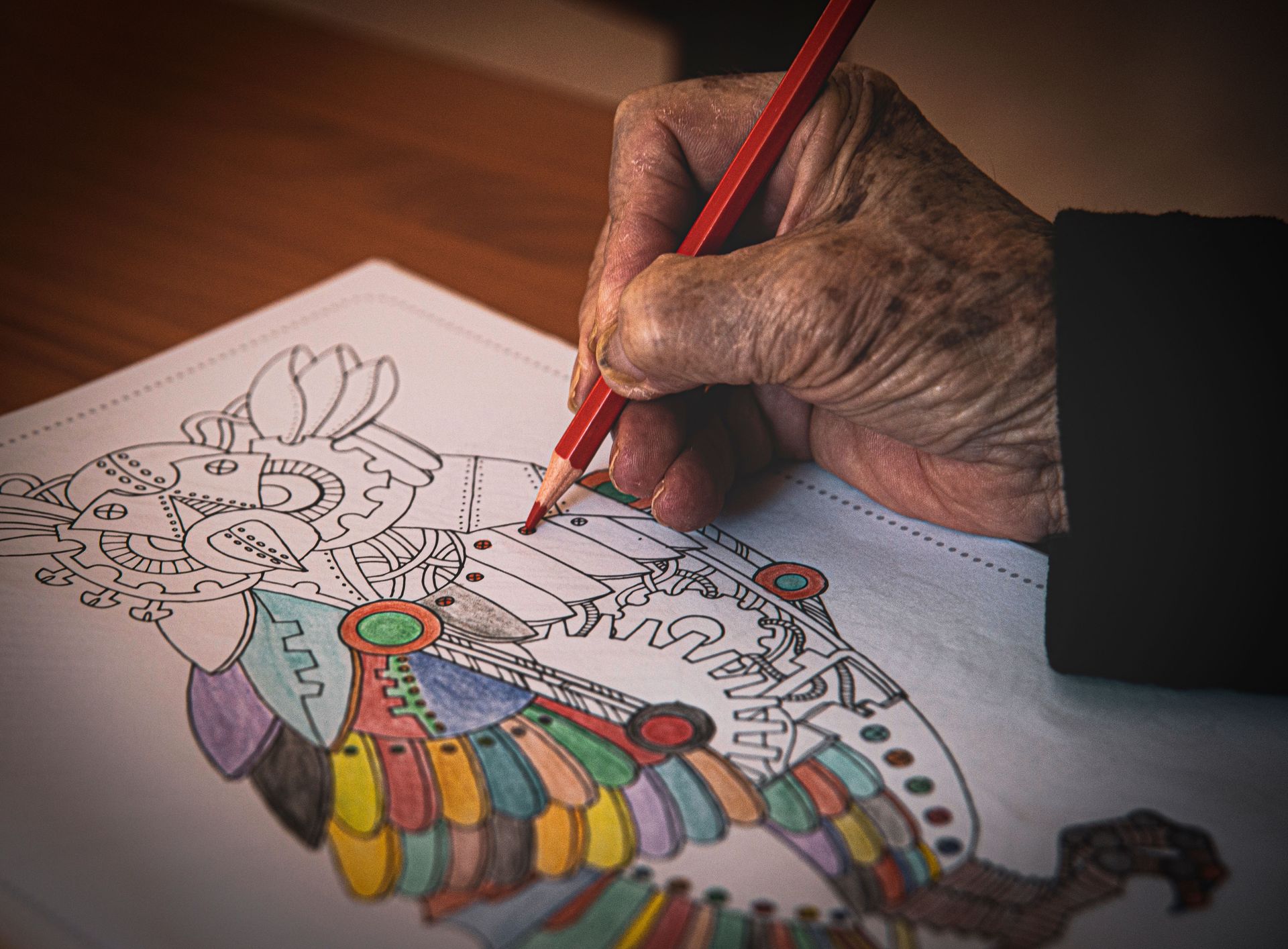
An adult coloring in a coloring book.
By Whitney Clay, Integrative Medicine Program Coordinator • September 14, 2026
At Bluegrass Care Navigators, our Integrative Medicine and Volunteer teams have been working together to create new opportunities for meaningful patient connections through art and music. This year, we launched a program that trains volunteers to incorporate creative activities into companionship visits with patients.
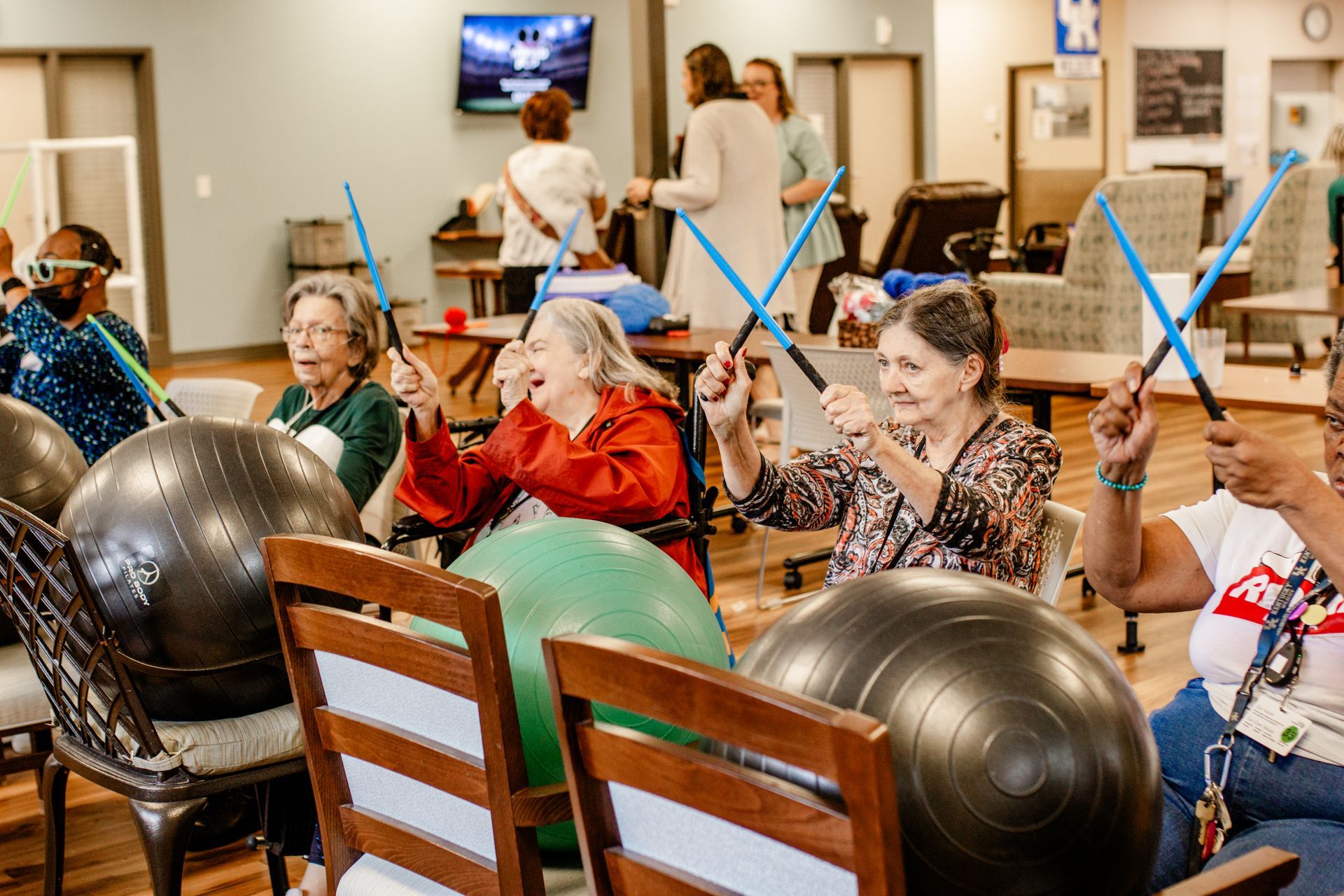
Seniors music activity
September 11, 2026
Program of All-Inclusive Care for the Elderly (PACE) empowers seniors to remain independent at home with comprehensive support.
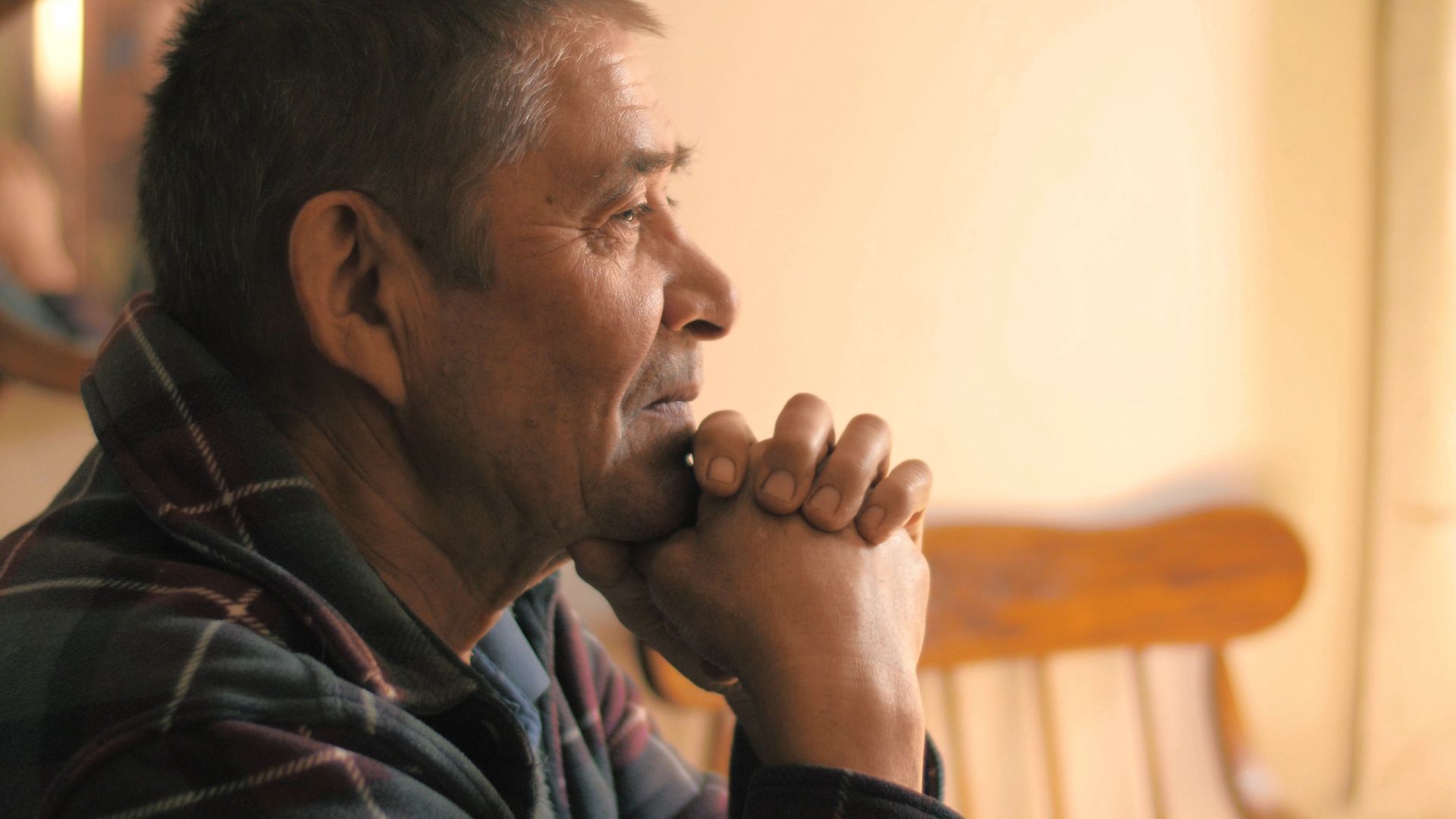
Grieving man sitting in chair with his hands folded and near his chin
September 2, 2026
After a loss, many people ask the universal question: “How long will my grief last?” This is especially true for a first loss. Some people ask for ways to hurry through the grieving process, but there is no shortcut. It is difficult to accept that one has little control, but with grief work, the sense of loss can slowly improve.