“Hospice isn’t just end-of-life care” — what families misunderstand
Like a lot of people, Jen didn’t realize how much help hospice can provide. “It’s not end-of-life care,” she said emphatically. “They do so much more than that."
For Jen, the difference was practical and personal: guidance, symptom and comfort support, supplies, and a steady team she could lean on—so she wasn’t making every decision alone at 2 a.m. “The relief to know that I qualified for hospice was life-changing,” she said.
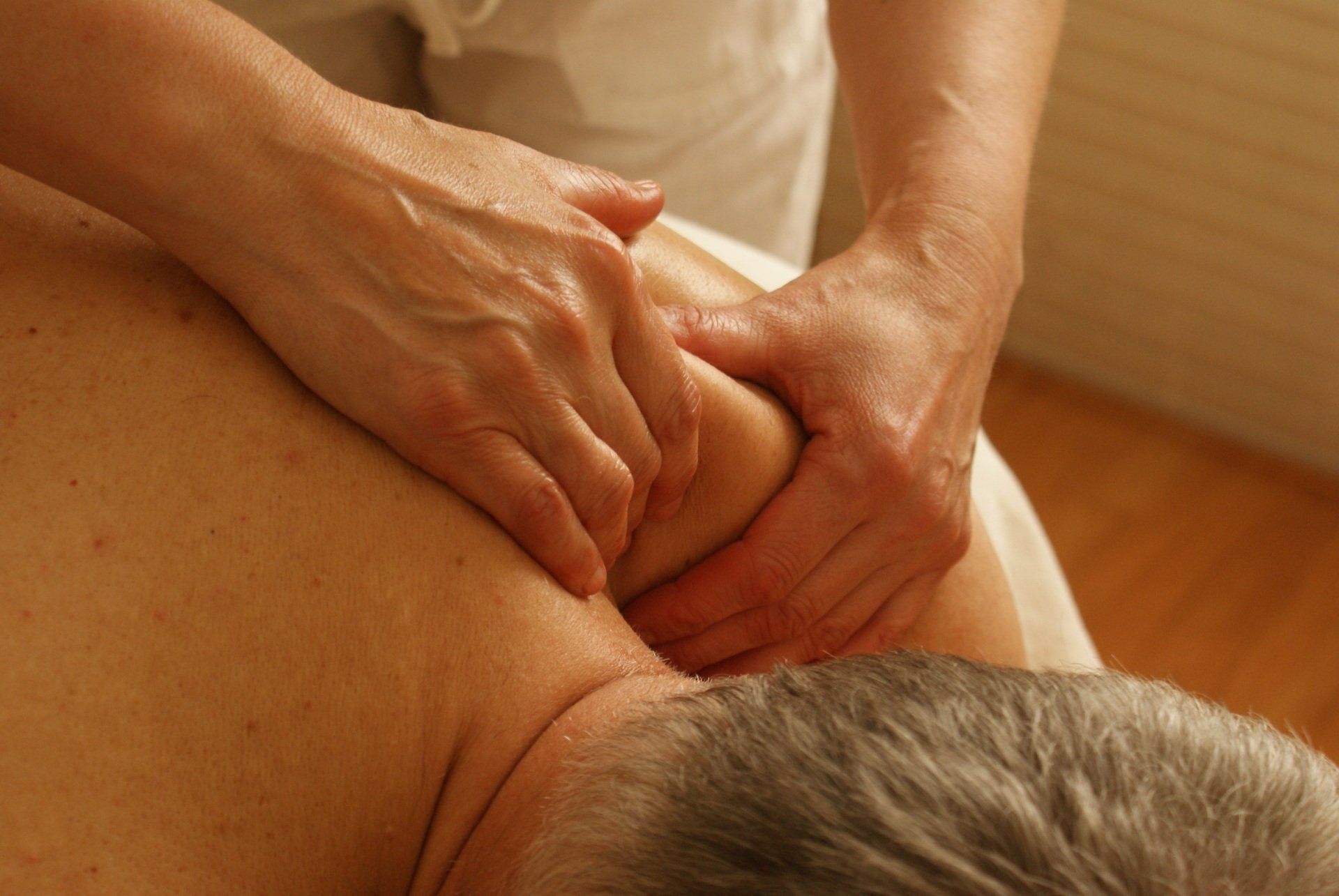
“There must be five or six people on this team,” Jen said. “And they become your family.” She still smiles remembering one caregiver in particular: “Kim would come in and say, ‘Hello, my beautiful one—are you ready for your spa day?’ And my mom always lit up when they came in…It’s a beautiful thing to watch your mom trust and love on the people who are helping you so much.”
If you’re trying to do this alone, you’re not the only one.
Jen is quick to say what so many caregivers feel but rarely say out loud: “It’s hard—it’s very hard—to be a caregiver. It’s very overwhelming. It’s very scary.” And it’s happening to more of us. Our parents are living longer, and many daughters find themselves coordinating medications, meals, appointments, falls, finances, and family dynamics—while still trying to keep their own lives afloat.
Jen always expected she’d be involved in caring for her parents. “It was an honor and a privilege,” she said. “But there came a day where I knew I was limited on what I could do for them, and I wasn’t going to be able to do it all by myself.”