Program of All-Inclusive Care for the Elderly

James Borders, PACE Medical Director, MD • August 25, 2023

Originally published by the Lexington Medical Society on July 14, 2023 and MD-Update in November 2023.

PACE, which stands for “Program of All-Inclusive Care of the Elderly,” is perhaps the most well-kept secret in healthcare. Although PACE has been in existence in the United States since the 1970s, Kentucky’s first PACE program started operating in 2022. PACE is a program primarily designed for patients with Medicare/Medicaid (the “dually eligible”), whose needs traditionally require skilled nursing home care. The ultimate goal of PACE is to allow participants to “age in place,” avoiding nursing home or other long-term care. Federal and state governments recognize that placing such patients into skilled nursing facilities is the most expensive option for care provision and often not the best plan for maintaining an acceptable quality of life for these patients.


Services are 100 percent covered for participants with both Medicare and Medicaid who transition completely to PACE program care. The physician at PACE becomes the participant’s primary care physician. All non-emergency care, including primary care and specialist services, must be provided by the program or an authorized entity to be covered by PACE. Other costs and restrictions apply to individuals who only have Medicare or are paying privately.


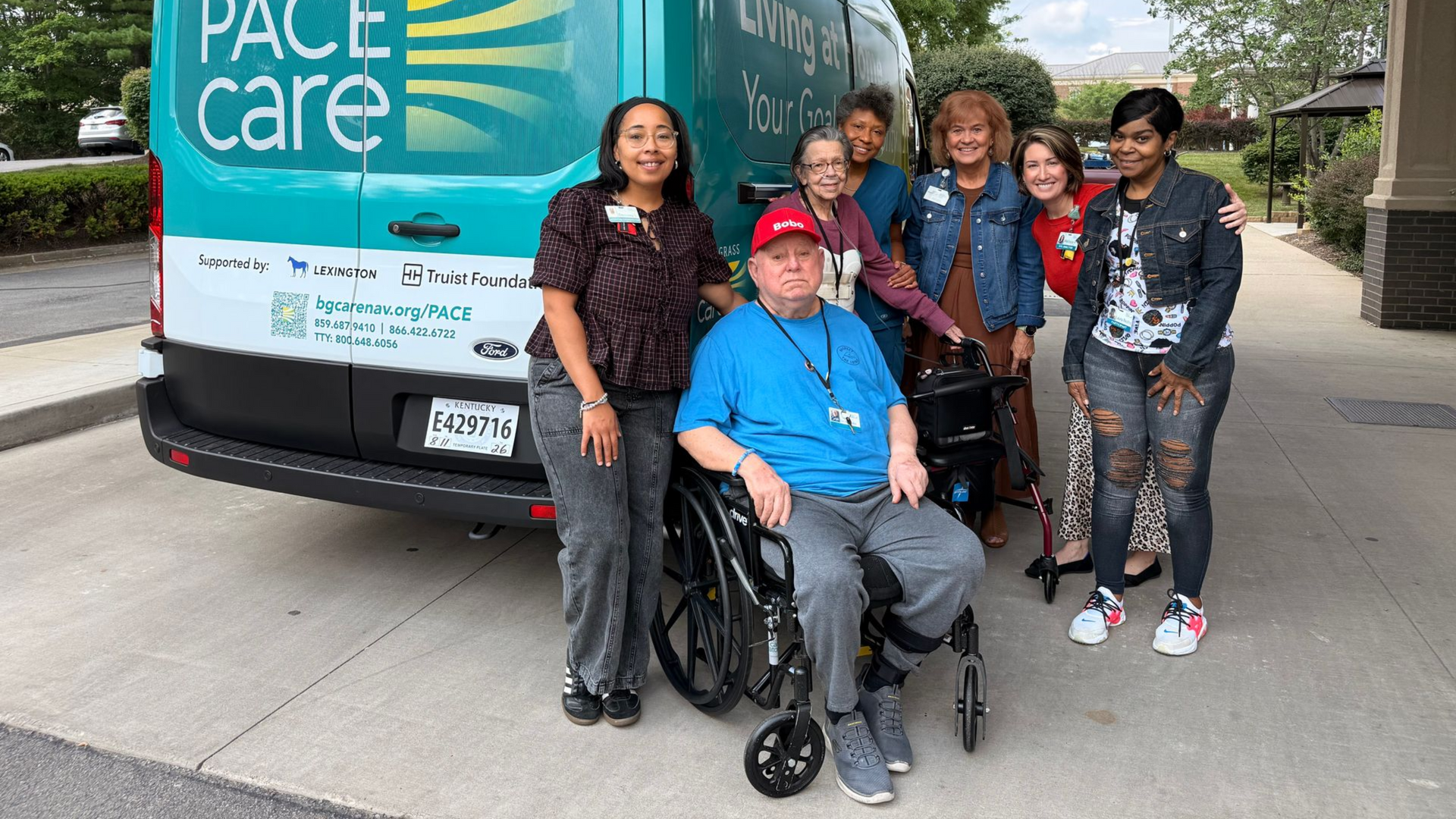
PACE programs must have a facility capable of providing health evaluations, adult daycare, meals, transportation to and from the center or other healthcare providers and facilities, and any other services to provide optimal healthcare. It is typical for PACE patients to be seen in the Center 2-3 days per week. This allows PACE staff to become familiar with all aspects of each patient’s healthcare needs. Participants are also visited in their homes when needed by PACE staff who are equipped and empowered to determine appropriate interventions in order to maintain their health and quality of life in their homes and thus avoid moving them to an inpatient facility. PACE staff members work to anticipate problems before they grow more complex and difficult to manage. Although concierge Medicare care has become a luxury offering to some people in the community, the holistic care provided by PACE serves an historically medically underserved and marginalized population.


Evidence shows that, compared with age and morbidity-matched cohorts treated in traditional care models, PACE participants fare better by several important measures. Cited in Leavitt’s 2009 interim report to Congress, a U.S. Department of Health and Human Services study found that PACE participants reported better self-rated health statuses, better preventive care involving vision and hearing screenings, higher rates of seasonal vaccine administration, and fewer cases of depression. A 2010 study in The Journals of Gerontology by Wieland et al reported the five-year survival in a PACE population compared with alternative institutional and home- and community-based care. Despite PACE participants being older and more cognitively and functionally impaired than those in an otherwise matched cohort, PACE participants had a substantial long-term survival advantage after five years of follow-up. The benefit was especially apparent in moderate- to high-risk participants.


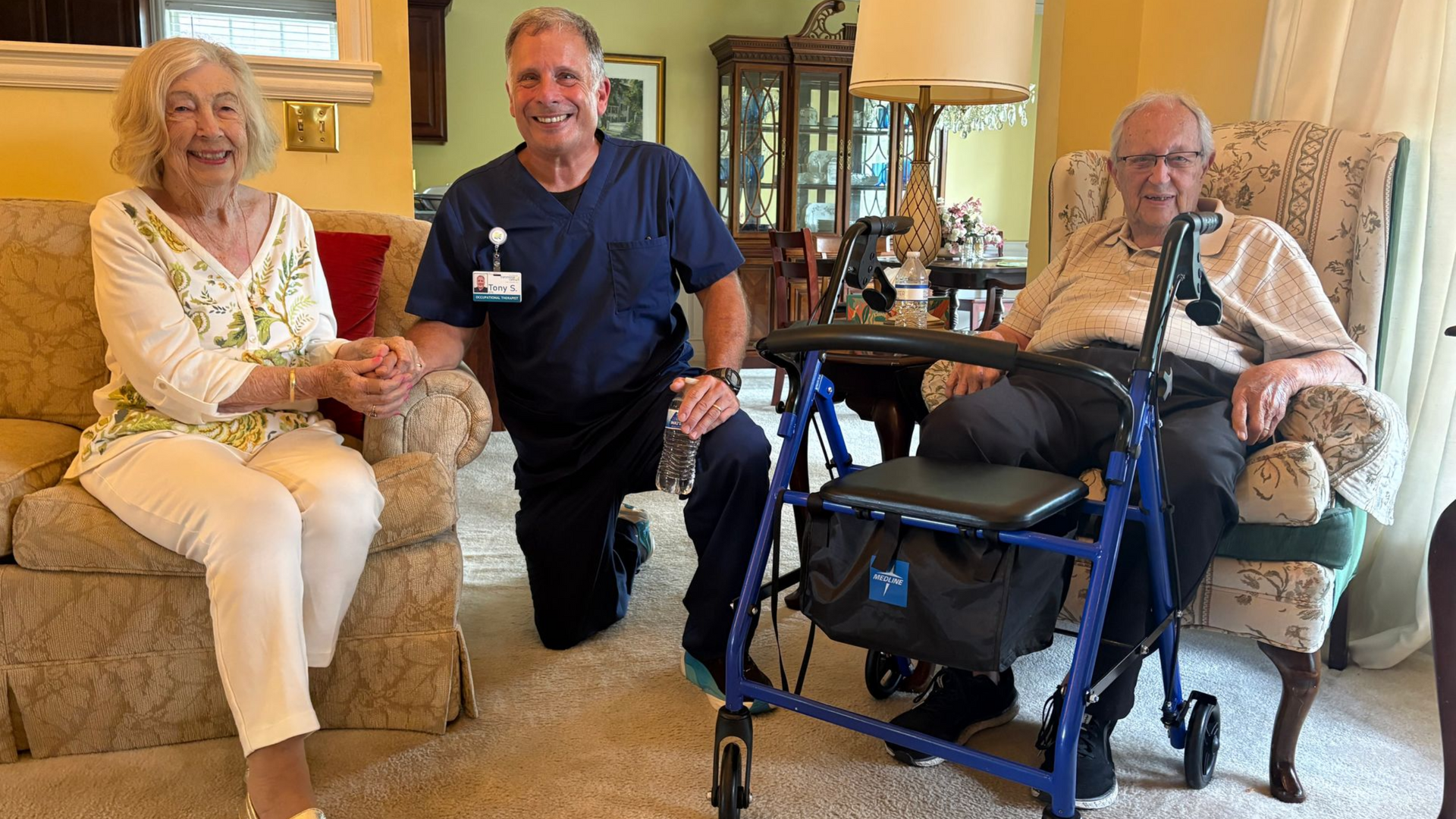
PACE centers serve as adult daycare centers where medical personnel get to know each participant on a personal level to provide any needed medical evaluations, including both wellness and acute care visits, physical and occupational therapy, nutritional assessments, meals, and the socialization that is so essential to the person’s sense of well-being. Transportation to and from the PACE Center and other medically related visits is provided by PACE if transportation is a barrier.

To be most effective, the PACE team assumes primary care for the patient and oversees all aspects of their healthcare, including that provided by specialists. Although specialty care remains available, contracted specialists understand that the PACE physician and PACE Center teams will give as much specialty care as they are qualified to provide.


When fully understood and implemented, PACE offers relief to all parties involved: the patient, patient’s family, and the patient’s primary care physician struggling to manage the care of someone with inadequate healthcare infrastructure to prevent the frequent pleas for help represented by a chaotic healthcare experience. These patients are often characterized by frequent emergency room visits, hospitalizations, missed appointments due to lack of transportation, or inadequate social support.


To qualify for the program, a patient must be at least 55 years old, live within counties assigned to active PACE programs, be able to live safely in the community with PACE services at the time of enrollment, and meet state-defined criteria for skilled-nursing home care.


It is critical to share with prospective PACE participants the restrictions and fees, particularly for those who are not dually eligible with both Medicaid and Medicare coverage. Individuals who have only Medicare are eligible for PACE but must pay a fee. Other participants may pay privately for PACE services and have different payment structures.


For all PACE participants, all healthcare must be received at or coordinated by the PACE Center. Participants may be fully or personally liable for the cost of services not authorized by PACE. PACE participants may voluntarily disenroll from the program without cause at any time. The disenrollment date will be coordinated between Medicare and Medicaid for a participant who is dually eligible.


As of July 2023, there are three approved PACE programs in Kentucky. If you have dually eligible or Medicare-only patients whose healthcare needs you are struggling to meet, consider whether PACE may be an option. PACE personnel can evaluate the patient to see if they meet the required criteria for acceptance.


For patients residing in Anderson, Fayette, Franklin, Jessamine and Woodford counties, contact Bluegrass Care Navigators at 855-492-0812 for more information. For the counties of Barron, Clinton, Estill, Jackson, Laurel, Madison, McCreary, Pulaski, Rockcastle, Warren, and Wayne, contact Horizon PACE at 877-589-3053. Residents of Jefferson County can contact Senior CommUnity Care of Kentucky at 502-314-2059.

The Coleman Family
March 19, 2026
In 2024, the Coleman family’s world was shattered with a devastating cancer diagnosis and unexpected loss of Jessica, devoted wife and mother. Kyle and his three daughters were overwhelmed by grief and the daily reminders of life without her. They connected with Bluegrass Care Navigators’ (BCN) grief team whose compassionate support and counseling helped the family find comfort, connection and the tools to heal together.
Bluegrass Care Navigators Expands Bluegrass Transitional Care Program with Grant Award in Partnershi
March 17, 2026
Expansion will improve access to care and chronic disease management for high-risk patients across Laurel, Jackson, and Whitley Counties
Callie, one of our volunteer therapy dogs
By By Callie, Volunteer Therapy Dog (and very good girl) March 2, 2026
Hi. I'm Callie. Most days, my job is simple: walk into rooms with my human, Mary, wag my tail, and let people know they’re not alone. I’ve been doing this therapy dog work with her for a while now, and I take it very seriously, even if I’m small and fluffy.
Doug and Lois Gates, one of our hospice families.
February 25, 2026
For Lois and Doug Gates, home has always been a place of purpose, faith and shared life. Married for more than 63 years, the couple met as teenagers, built a family through adoption, and spent decades serving others together. Their moments together became even more precious after Lois received a serious diagnosis two years ago. After undergoing surgery, the cancer recurred, and the couple chose to forgo additional treatment and live the best quality of life possible with support from Bluegrass Care Navigators (BCN).
PACE participants at Thanksgiving meal
February 17, 2026
The Bluegrass PACE Care team and participants kicked off the holiday season with their annual Thanksgiving lunch. The atmosphere was filled with gratitude and joy, as everyone enjoyed a delicious meal and each other's company. The PACE team continued to celebrate the holiday season with fun activities in the weeks to come.
Bluegrass Care Navigators provides care in person and via phone
By Lisa Lewis, Support Center RN February 17, 2026
As a Support Center RN, I’ve witnessed many moments of compassion, but few have touched me as deeply as the call I received from a patient’s wife in our Pikeville region. She shared how our nurse, Tiffany Little (RN), provided care with such warmth and dedication that her presence brought genuine comfort and support to their lives.
Tim and Helen Hoffstedder
February 17, 2026
Team BCN brought compassionate, personalized care to Tim and Helen Hoffstedder during a challenging chapter in their lives. After receiving a dementia diagnosis almost seven years ago, Helen’s family did their best to care for her at home. When she required additional support, they moved her to ColdSpring Transitional Care where she could receive high-quality care around the clock. In February 2024, she began retaining fluid and had difficulty breathing. The team at ColdSpring Care referred the family to Bluegrass Hospice Care and that extra support brought her husband Tim immense reassurance.
nurse and patient making a heart
February 17, 2026
Thanks to your remarkable generosity, our two-year Care Reimagined fundraising campaign has been a resounding success. With your steadfast support, Bluegrass Care Navigators exceeded our ambitious $7 million goal by the December 31, 2025, deadline! This achievement ensures that we can continue to provide essential care and support to seriously and terminally ill individuals within our community.
Small red hearts on blue background. Dating after loss.
February 6, 2026
Losing a spouse or partner is an experience that can reshape every aspect of daily life, including how you connect with others. As you navigate the journey of grief and healing, you may find yourself wondering if—and when—dating might feel right for you.
Mother and daughter discussing grief on front porch.
January 7, 2026
Build a memory box Use a cardboard box and decorate all the sides with markers or paint, drawing memories, messages or pictures in memory of your loved one. Place items like mementos of special times or add notes or drawings for your loved one. Have a balloon release ceremony Choose a special time, like your loved one’s birthday or anniversary for the ceremony. Pick a place like a park, beach, field or burial site, to release the balloons. Use helium-filled balloons and have family members write words of remembrance on them. You can talk about how loss and change are a natural part of life, play music or read verses as the balloons are released. Plant a tree or flowers Tending to a growing plant is a symbol of an ongoing relationship and provides many chances to grieve a loss. The life cycle can help you reflect on the memory of your loved one. Read a children's book about grief There are many age-specific children’s books that address grief. Books are a great way to help children open up and begin sharing feelings after a loss. Create memory pages Use fun scrapbooking paper and include Information about your loved one, such as their name, birthday, date of death, favorite food or activities, words to describe them, or things they enjoyed. Phrases like "I remember you when..." or ''I feel closer to you when..." can help provide inspiration. Draw with sidewalk chalk art Decorate your sidewalk or driveway with pictures or words honoring your loved one. Creativity is a great way to help express your feelings and emotions. Make a bracelet Use a variety of beads with different colors, shapes and letters. Pick out beads that represent a special memory or detail about your loved one. Decorate a jar or bottle Apply paint, decoupage or other materials to a jar or a bottle. You can write messages and place them inside the bottle. These messages can be something that you did not get a chance to say, something that you wish you had done or said differently, a favorite memory, or a life update. Alternatively, you may wish to place a small candle or light inside and use it at times you wish to remember your loved one. Utilize a journal You can use a journal to write about or draw special memories of your loved one. Add photos or mementos to make it feel special. Make a playlist Create a list of your loved one’s favorite songs. Listen to this when you want to think about them. Recreate a favorite recipe Prepare a meal or dessert that your loved one enjoyed or made frequently. While you are making it reminisce about memories associated with the food and favorites that you enjoyed together. Our grief care services are for anyone in the community who has experienced the loss of a loved one. Discover how our team can help you and your family by contacting us through our website or calling 855.492.0812 .