Volunteer Hairdresser Helps Hospice Patients Smile

December 12, 2022

As a recent empty nester, Meg Demaree found herself looking for a meaningful way to help others. In spring 2022, she joined Bluegrass Care Navigators as a volunteer hairdresser.
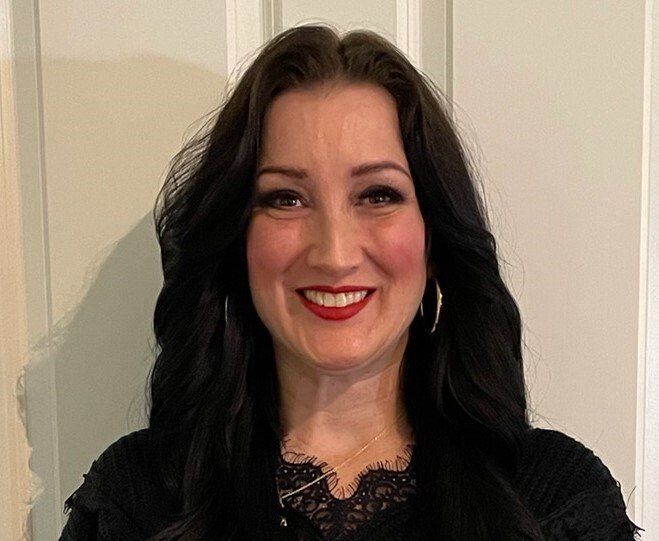

After working as a nurse for 17 years, Meg Demaree decided it was time for a change. As a nurse, she’d been offering beauty services on the side since 2014. In 2021, she opened
Classic Beauty Salon on Lexington’s eastside. She loved her work, but as a recent empty nester, she found herself looking for a meaningful way to help others. In spring 2022, she joined Bluegrass Care Navigators as a volunteer hairdresser.


“This was a perfect fit!” she said. “Everyone loves a fresh haircut, so the smiles on the patient's and family member's faces brightens my day every time! It's been a very rewarding experience, and I feel appreciated at every visit. Thanks for giving me this opportunity that I never knew I needed!”


Typically, Meg sees three to four patients per month and gives them the full treatment. Meg and the patient look in a mirror together, talk about what haircut they would like and look at pictures together, if needed. From the comfort of the patient’s home, Meg cuts, blow dries, hair sprays and curls. For some, it’s their first haircut in months.


“I feel like I am making these patients’ last moments on earth a little more enjoyable,” Meg said. “They feel more like themselves when I leave rather than when I came, and I feel like I’m doing a good thing.”


Hospice volunteers are a valuable part of the patient care team. Volunteers work with a clinical team of a doctor, nurse, aide, chaplain and social worker. Because they spend time with the patient, volunteers who provide direct patient care can often give the team valuable feedback about issues that may arise during their visits.


“Meg provides our patients with dignity by offering this basic activity of daily living that we all take for granted,” Melanie Hagan, Volunteer and Community Liaison in the Lexington office, said. “I love the idea that many requests can go through me. I’m one person, but my job is unique in that it allows me to connect with our dedicated volunteers to meet needs and use their time, skills and talents to help our patients. I have a belief system that we’re all here to help others, and in this job, I get to do that.”


Medicare-certified hospice programs require providers to use volunteers for at least five percent of their patient care hours. Volunteers are required to undergo training to gain understanding of the goals for hospice care and their role and function as a volunteer.


Ordinarily, licensed cosmetologists are required by state law to practice in licensed establishments. However, the law makes an exception for hospice patients receiving care either at home or in an in-patient unit.


If you are a hairdresser or have another special skill that could help a hospice patient, we could use your talents! Learn more about volunteering at Bluegrass Care Navigators on our website www.bgcarenav.org/volunteer.



October 29, 2026
When families begin exploring hospice care, many questions may arise. Understanding the basics can help families feel more confident as they look for assistance.
October 29, 2026
Hospice is often misunderstood. Many people aren't aware of the full range of services available to patients and families. Let’s explore what hospice provides and answer some common questions. Hospice is a type of care, not a specific place. It is designed to improve the quality of life for people with serious, life-limiting illnesses while providing support for the families caring for them.
Stock photo of woman celebrating
By by Dee Bowling, MSN, APRN, Advanced Practice Provider • September 29, 2026
The one thing you need to know about our palliative patient Mary is that she sees life as a choose-your-own-adventure book.
Mollie poses with Bird Calls.
September 28, 2026
When Mollie Rabiner's parents became seriously ill, she found herself facing one of life's most difficult seasons.
By Emma Powers, Music Therapist • September 14, 2026
I recently had the opportunity to work with a patient who was struggling with depression and grief as his illness progressed. As he lost abilities and became more homebound, the hospice team knew he could benefit from additional emotional support. However, he had repeatedly declined visits from the chaplain and social worker.
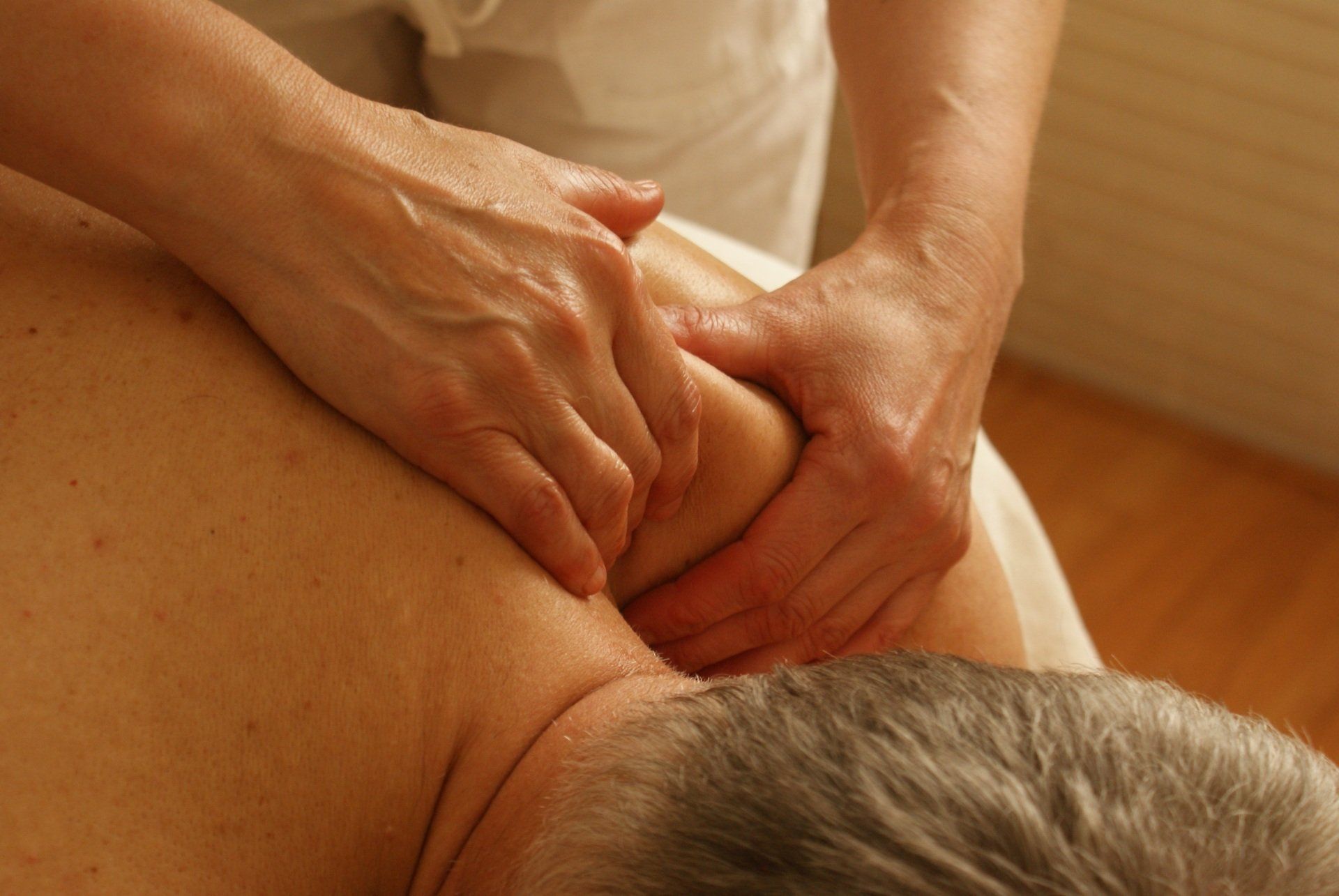
Massage therapy helps patients feel less alone.
By Jeff Zutaut, Massage Therapist • September 14, 2026
Over the years, I've seen how massage therapy can help ease physical discomfort, anxiety, and stress for hospice patients. But one of its most meaningful benefits is something less visible: helping patients feel less alone.
Massage therapy with Bluegrass Care Navigators helped lessen a patients anxiety.
By Jeff Zutaut, Massage Therapist • September 14, 2026
A patient living with Parkinson's disease and advanced prostate cancer was recently referred to our Integrative Medicine team. While his wife was a strong supporter of hospice care, she wasn't aware that Bluegrass Care Navigators also offers integrative medicine therapies such as massage, that complement the medical care for the nursing team.
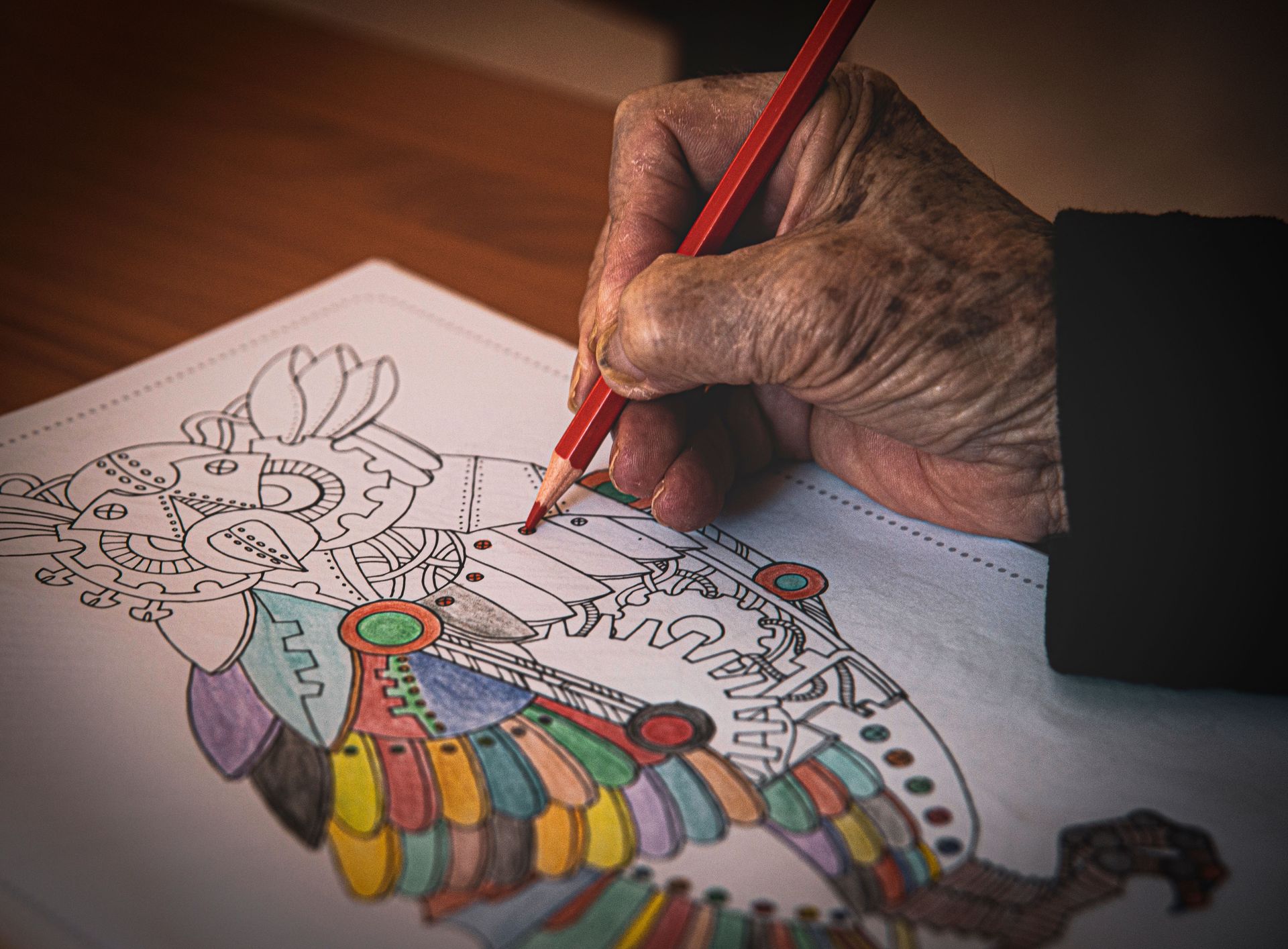
An adult coloring in a coloring book.
By Whitney Clay, Integrative Medicine Program Coordinator • September 14, 2026
At Bluegrass Care Navigators, our Integrative Medicine and Volunteer teams have been working together to create new opportunities for meaningful patient connections through art and music. This year, we launched a program that trains volunteers to incorporate creative activities into companionship visits with patients.
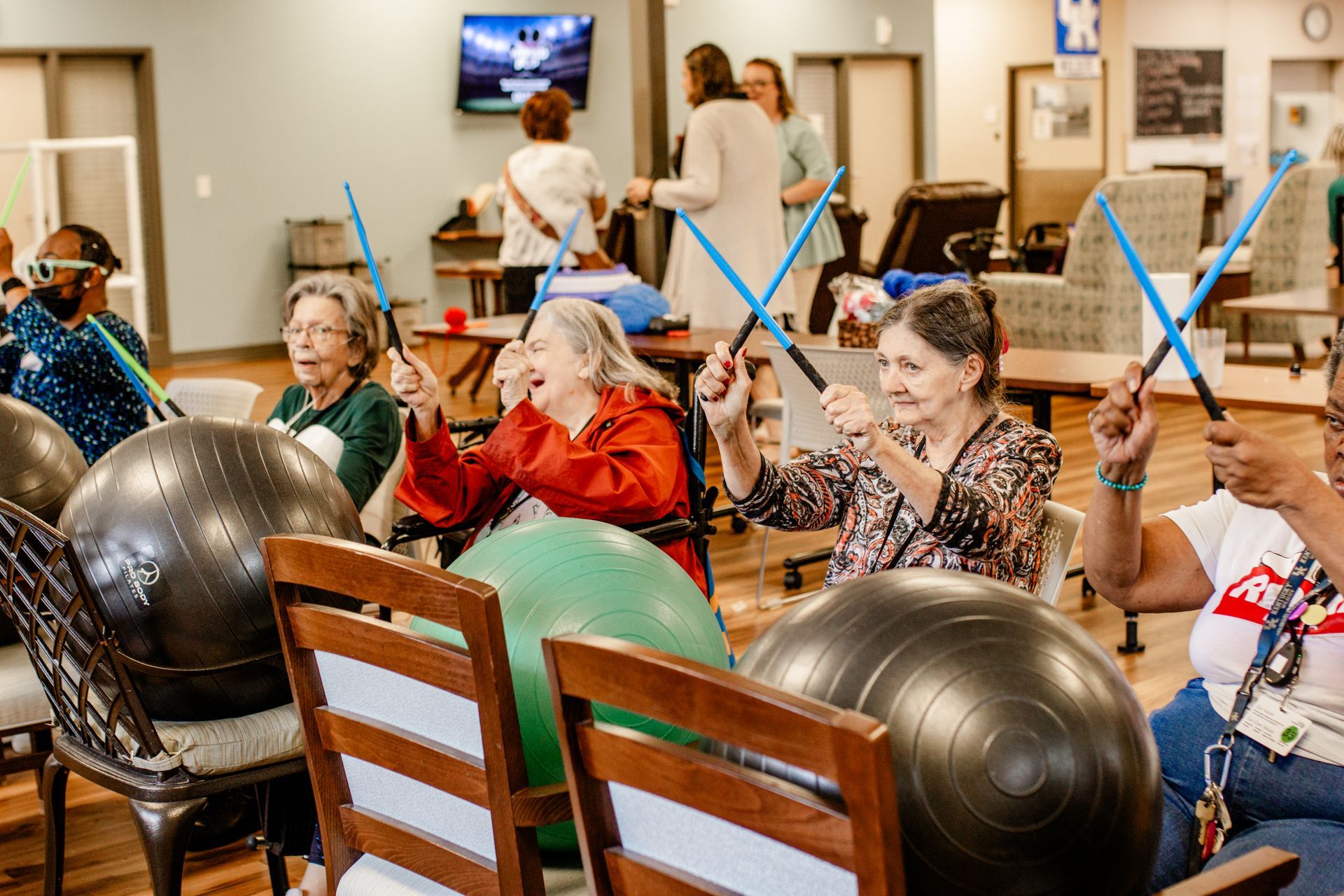
Seniors music activity
September 11, 2026
Program of All-Inclusive Care for the Elderly (PACE) empowers seniors to remain independent at home with comprehensive support.
Grieving man sitting in chair with his hands folded and near his chin
September 2, 2026
After a loss, many people ask the universal question: “How long will my grief last?” This is especially true for a first loss. Some people ask for ways to hurry through the grieving process, but there is no shortcut. It is difficult to accept that one has little control, but with grief work, the sense of loss can slowly improve.