6 Ways to Process Grief After the Loss of a Loved One

January 7, 2026

1. Reflect and remember

Relive experiences in your thoughts. Allow the details and the emotions that come with them to be fully expressed. Explore memories as they come up. Trust that your system is bringing up these thoughts as part of your healing process. The repetition of painful memories helps flush out the strong emotions attached to them.


2. Share stories

Talking about your loss provides a great deal of release. You may need to tell the same stories over and over as part of your healing. Support groups provide a place where you have the opportunity to be heard and can continue to talk about your grief in a supportive environment. 


3. Write it down

Keeping a journal is not for everyone, but it can be a powerful tool for healing. Writing about feelings and events can help you to identify emotions. Words help constructively channel these emotions and show a record of your progress. 


4. Don’t be afraid to cry

Tears can relieve a lot of pressure and tension. Learn to trust your body’s need to cry or not. Individuals grieve differently. Tears are not a sign of weakness and do not mean that your emotions are out of control.


5. Make space for your loss

People commonly fall out of their routines after the loss of a loved one. Because of this, they may feel they have too much unstructured time in which to grieve. It is OK to take time to sit with a loss. Other days, you may feel the need to be as busy as possible. Make time to create quite moments to work through your feelings. Respecting your needs for healing and creating opportunities to grieve is important.


6. Take care of yourself

Do your best to nourish your body and rest. Get outside and enjoy the fresh air. Exercise can release a surprising amount of tension, anger and frustration. It is important to make self-care a priority.


Our grief care services are for anyone in the community who has experienced the loss of a loved one. Discover how our team can help you and your family by contacting us through our website or calling 855.492.0812.

July 24, 2026
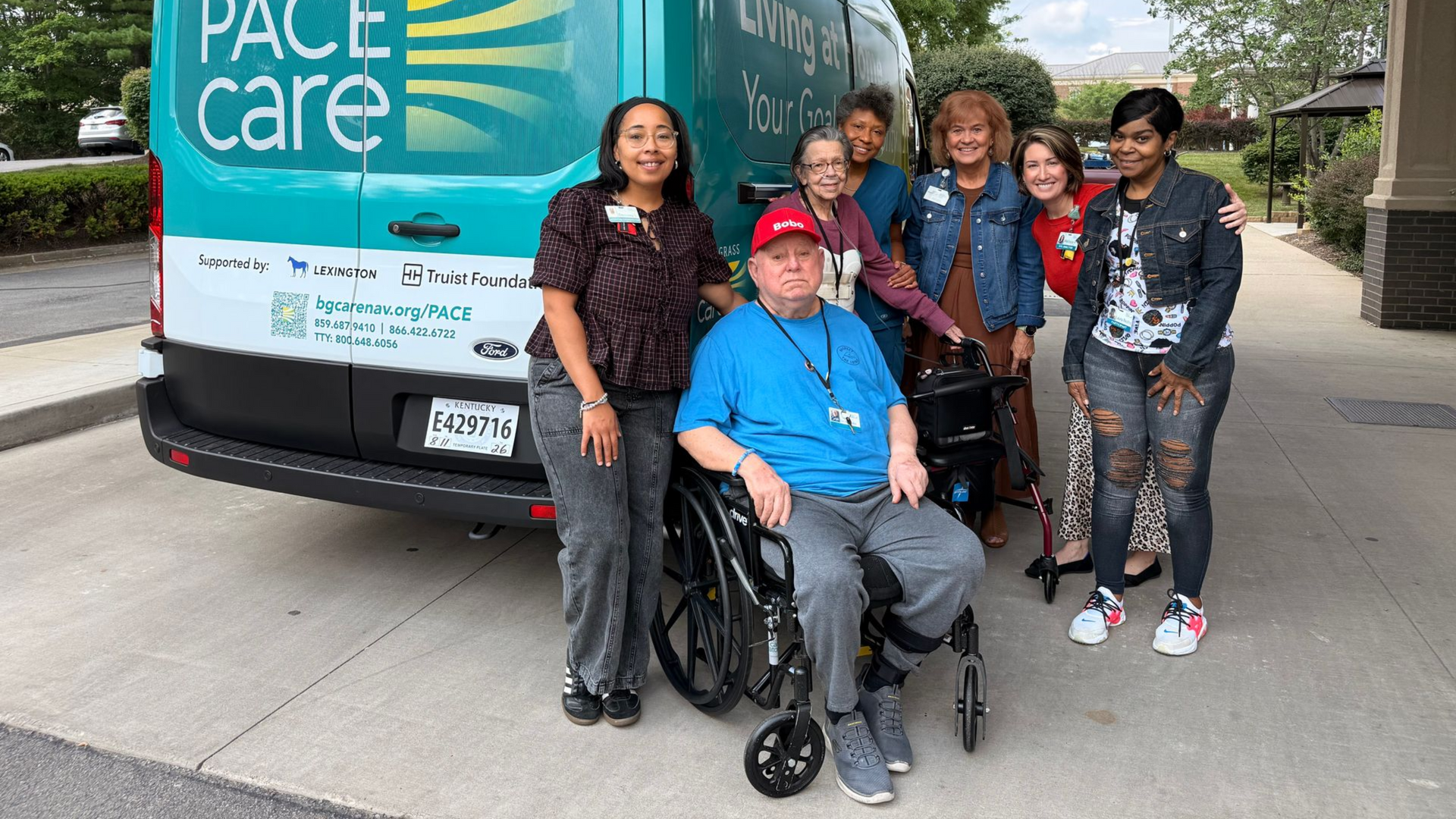
Bluegrass Care Navigators has received grant funding from Truist Foundation and the Lexington-Fayette Urban County Government (LFUCG) to purchase an additional transportation van for Bluegrass PACE participants in Fayette County. The new van will expand Bluegrass PACE Care’s existing transportation fleet, helping meet growing demand and ensuring participants can reliably access the care and services they need.
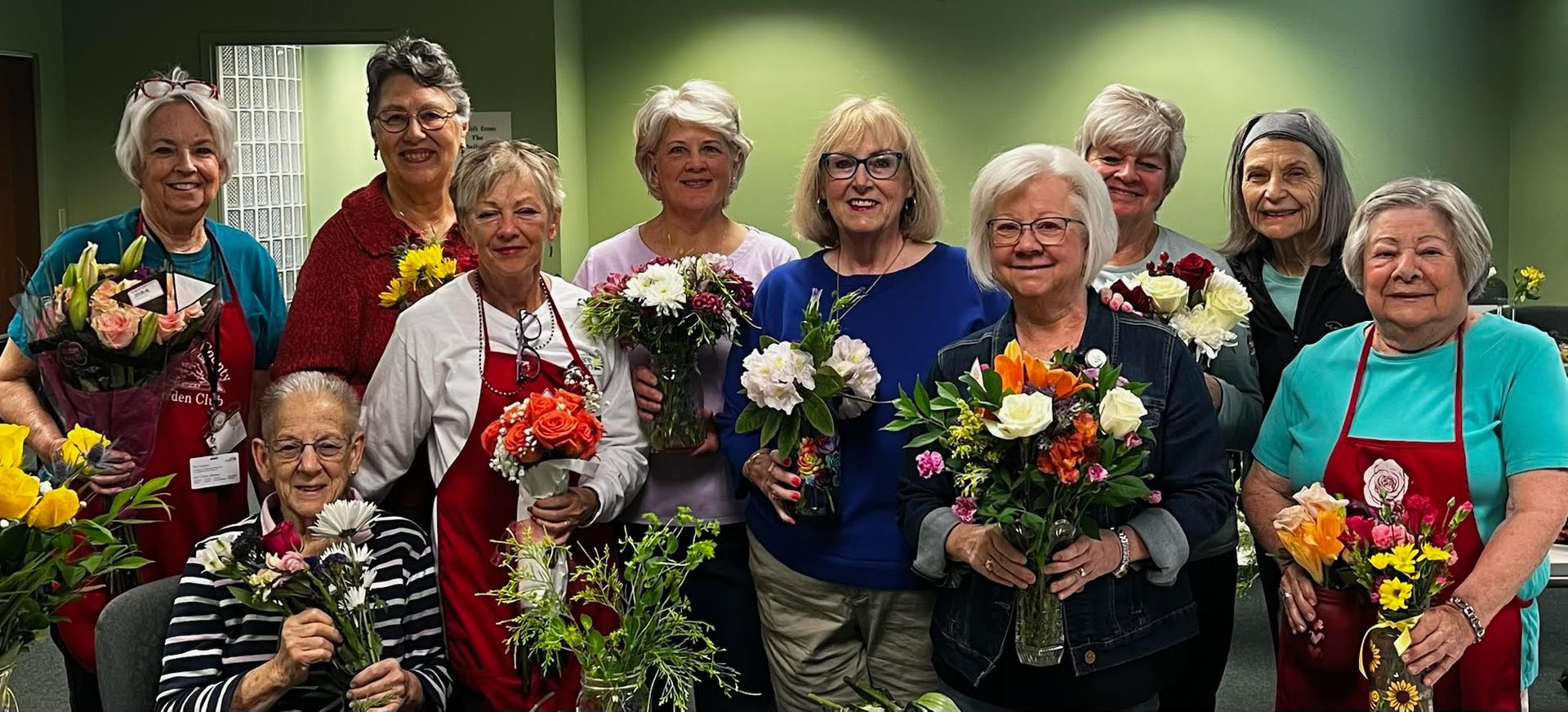
Northern Kentucky Voluteer Flower Program Participants
July 9, 2026
The dedication of Bluegrass Care Navigators’ Northern Kentucky Flower Program volunteers was recently recognized at the Garden Club of Kentucky Annual Convention, highlighting the powerful impact of their service to BCN patients. In addition to celebrating 22 awards earned for a wide range of gardening projects throughout Boone County, the Boone County Garden Club was also honored with the prestigious Club of Honor for its outstanding partnership with Bluegrass Care Navigators. This recognition reflects the heartfelt commitment of our volunteers and the meaningful difference they make in our community.
Mom and family find hope through Bluegrass Grief Care
July 9, 2026
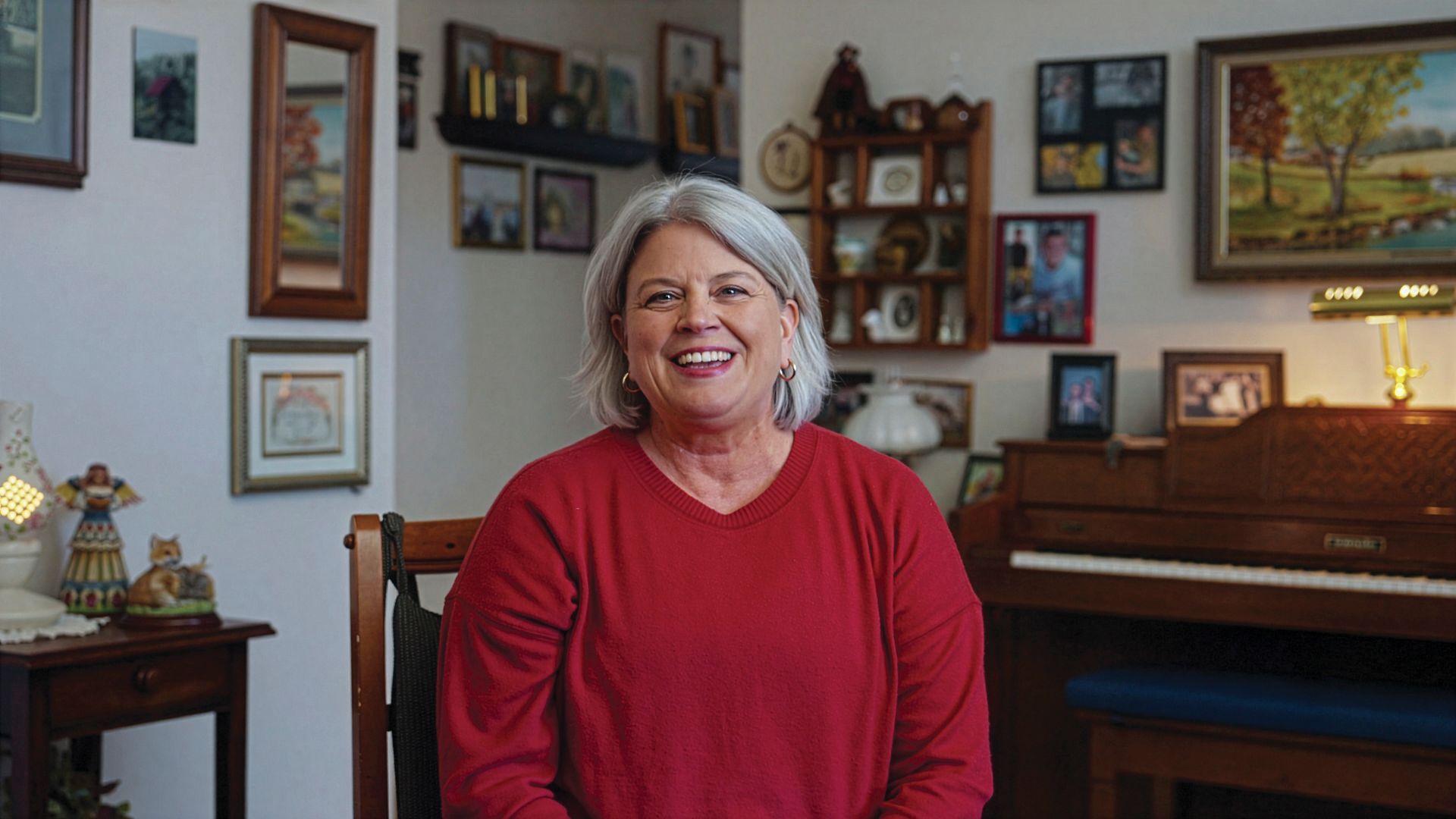
Grief arrives without warning. For Crystal Huddle and her children, it came in an instant, through a car accident that took her husband’s life and forever changed their family.
BluegrassPACECareopensAlternativeCareSiteinFrankfort
July 9, 2026
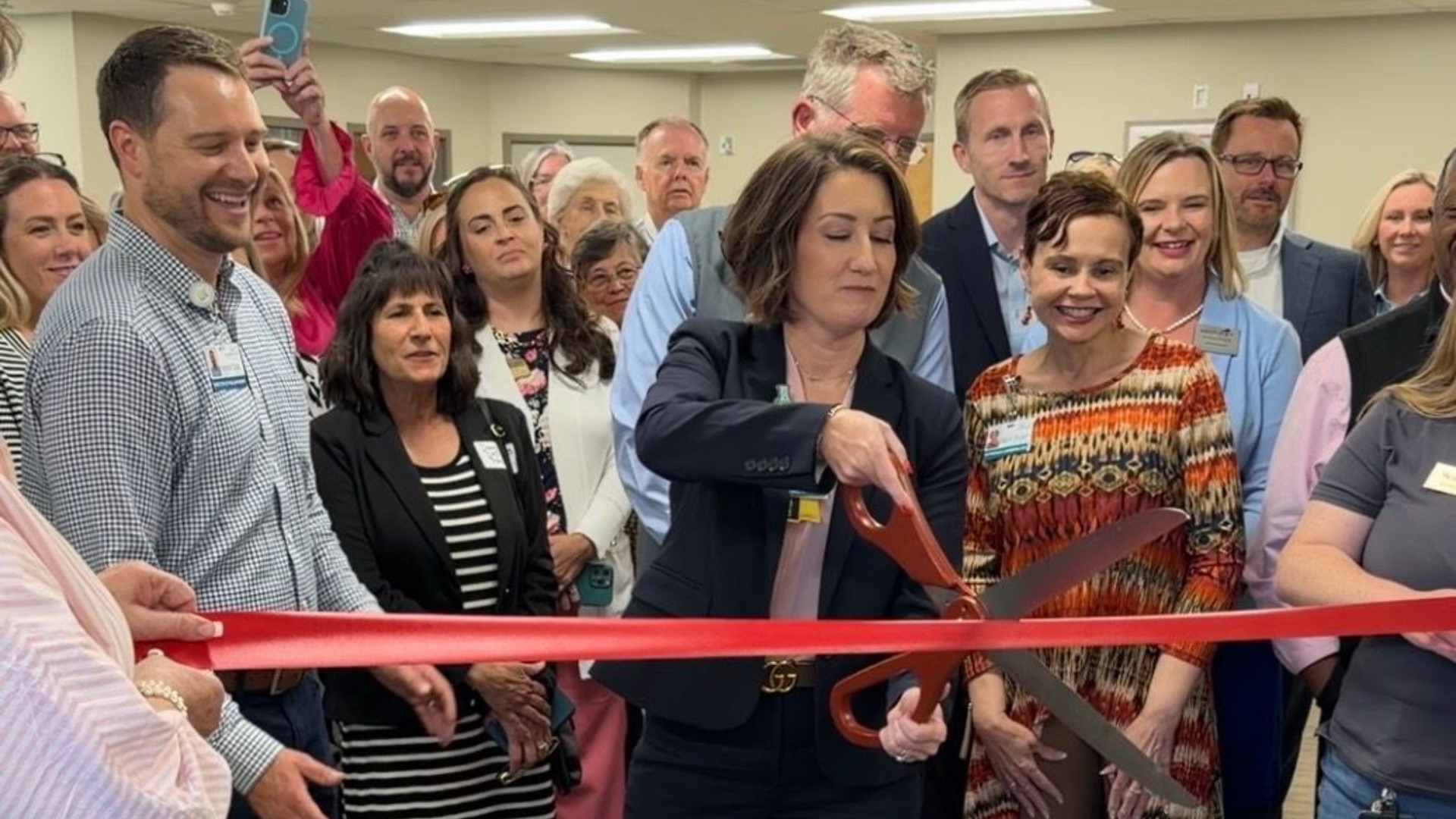
Bluegrass Care Navigators is proud to expand access to Bluegrass PACE Care with the opening of a new PACE Alternative Care Site in Frankfort, celebrated with a ribbon cutting and open house on May 14. As Kentucky’s first provider of the Program of All‑Inclusive Care for the Elderly (PACE), BCN continues to grow its innovative model that helps adults age 55 and older with complex health needs live safely at home.
Retiring President Liz Fowler with new President Jamie Moen
July 9, 2026
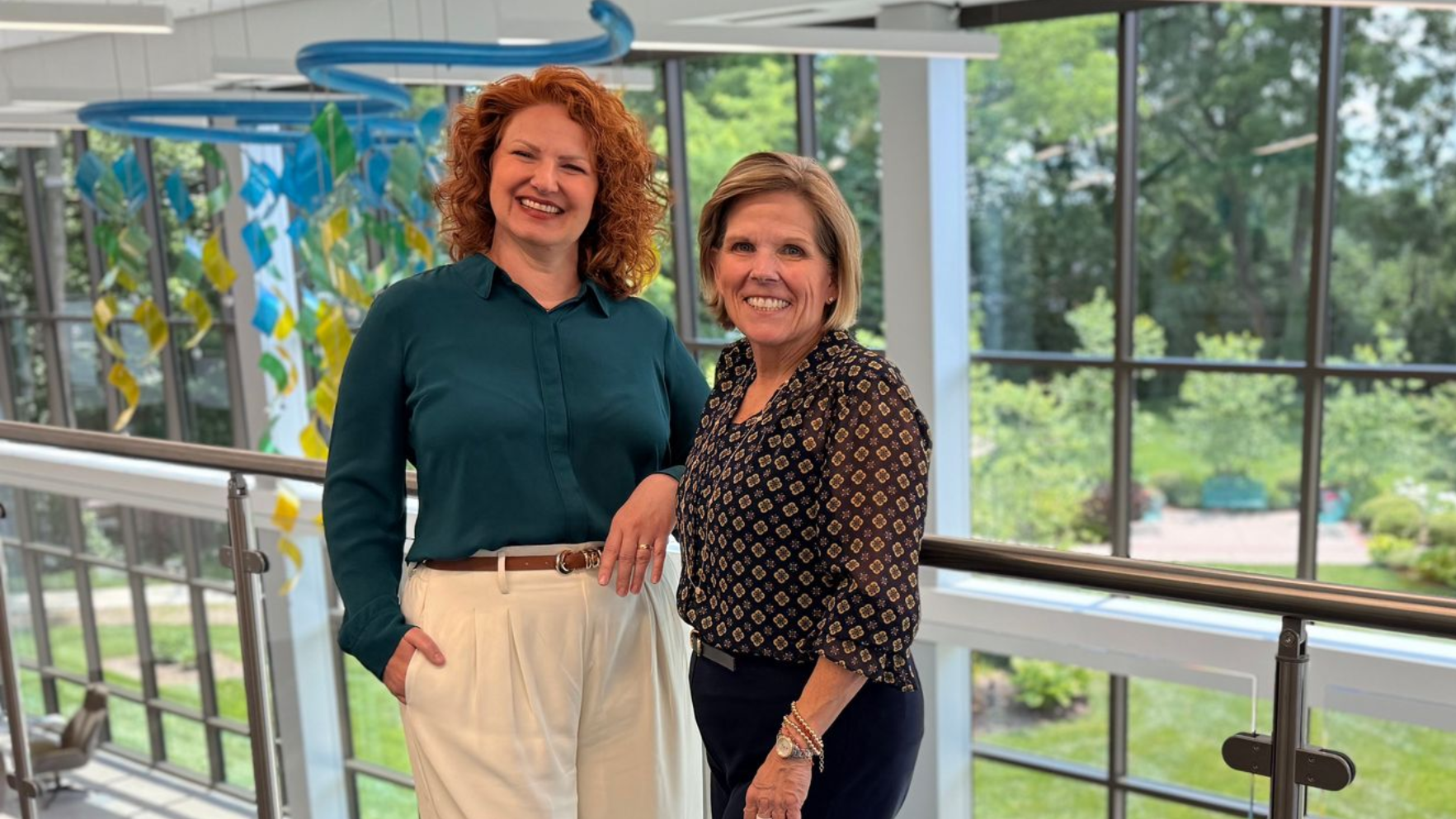
After 12 years of leading Bluegrass Care Navigators (BCN) as President & CEO, Liz Fowler has determined it is time to move towards retirement. Liz shared her news with the Board of Directors last year, and together, they have conducted a nation-wide search for BCN’s next President.
Bluegrass Care Navigators Partners with God’s Pantry to Address Patient Food Insecurity
June 29, 2026
Bluegrass Care Navigators has partnered with God’s Pantry to provide food boxes to patients experiencing food insecurity across its service lines. In the first month alone, team members and volunteers delivered 50 boxes to medically frail older adults. By addressing barriers like transportation, mobility, and limited income, this collaboration extends patient care beyond clinical needs to better support overall health and quality of life.
Caregiver testimonial
June 11, 2026
For the women holding it all together—until it’s too much.
Grief support for Father's Day
June 4, 2026
For many, Father’s Day can be particularly challenging day after the loss of a father or paternal figure. This day often brings back waves of grief—even if you thought you had already worked through those feelings. Everyday moments, like passing by Father’s Day displays in a store or participating in one of your father’s favorite activities, can unexpectedly trigger emotions and memories. As you navigate this difficult day, it is essential to give yourself permission to grieve. Take time to reflect on the joyful moments and cherished traditions you shared with your father.
From Medically Fragile to Safely Housed: How BCN Provides New Beginnings
May 26, 2026
For many individuals experiencing homelessness, medical hardship and housing instability are deeply intertwined. BCN’s Medical Respite Program bridges that gap by providing a short-term, hotel-based recovery program that offers compassionate care to unhoused individuals who need a safe place to heal and receive medical care.
May 26, 2026
Supported by a grant from the CommonSpirit Health Community Health Improvement Grants program, BCN’s Integrative Medicine created memory-making kits now used by social workers and volunteers to support patients and families in hospital settings.